

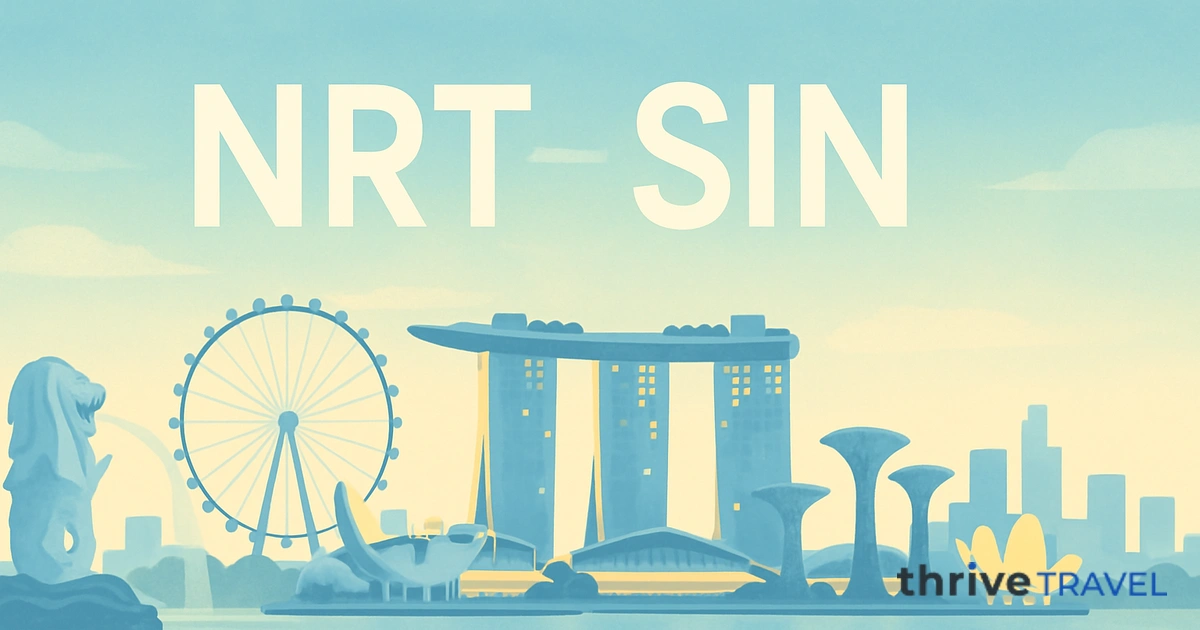
The journey from Tokyo Narita to Singapore connects two of Asia's most vibrant and contrasting cities, making it one of the most popular routes in the region. With a flight time of approximately seven hours, travelers cross from the temperate climate of Japan into the tropical warmth of Southeast Asia, arriving at the world-renowned Changi Airport.
Several major carriers operate flights from NRT to SIN on a daily basis. Singapore Airlines is a perennial favorite, consistently ranked among the world's finest airlines and offering exceptional service in every cabin class. Japan Airlines and All Nippon Airways provide strong alternatives with their signature Japanese hospitality, while budget-conscious travelers can look to Scoot or Jetstar for more affordable options. Most flights depart in the late morning or evening, giving passengers flexibility in planning their itineraries.
Timing your trip wisely can make a significant difference. Singapore's equatorial climate means warm and humid conditions year-round, but the drier months between February and April tend to be the most comfortable for sightseeing. Visiting during major events like the Formula One Singapore Grand Prix in September or the Garden Rhapsody light shows at Gardens by the Bay adds an extra layer of excitement. Meanwhile, departing Tokyo in spring means you might catch the tail end of cherry blossom season before heading south.
The flight itself is smooth and manageable. Seven hours is long enough to enjoy an in-flight meal and a movie or two, but short enough to avoid the fatigue of ultra-long-haul travel. There is no time zone difference to worry about since Singapore is only one hour behind Japan, which means jet lag is essentially a non-issue. This makes the route particularly appealing for short getaways and business trips alike.
For those flying from Tokyo Narita to Singapore, a few practical tips are worth noting. Narita Airport can be busy during peak travel periods, so arriving at least two and a half hours before departure is advisable for international flights. At the Singapore end, Changi Airport is famously efficient, and most travelers clear immigration within minutes. The Jewel complex at Changi is worth exploring even if you are not in a rush, with its indoor waterfall and lush gardens offering a spectacular welcome.
What makes this route particularly special is the cultural contrast it offers. From the quiet reverence of Tokyo's ancient temples to the electric hawker centres and futuristic skyline of Singapore, the transition feels like stepping between two different worlds. Whether you are traveling for business, leisure, or a layover adventure, this connection between Japan and Singapore remains one of Asia's most rewarding air corridors.