

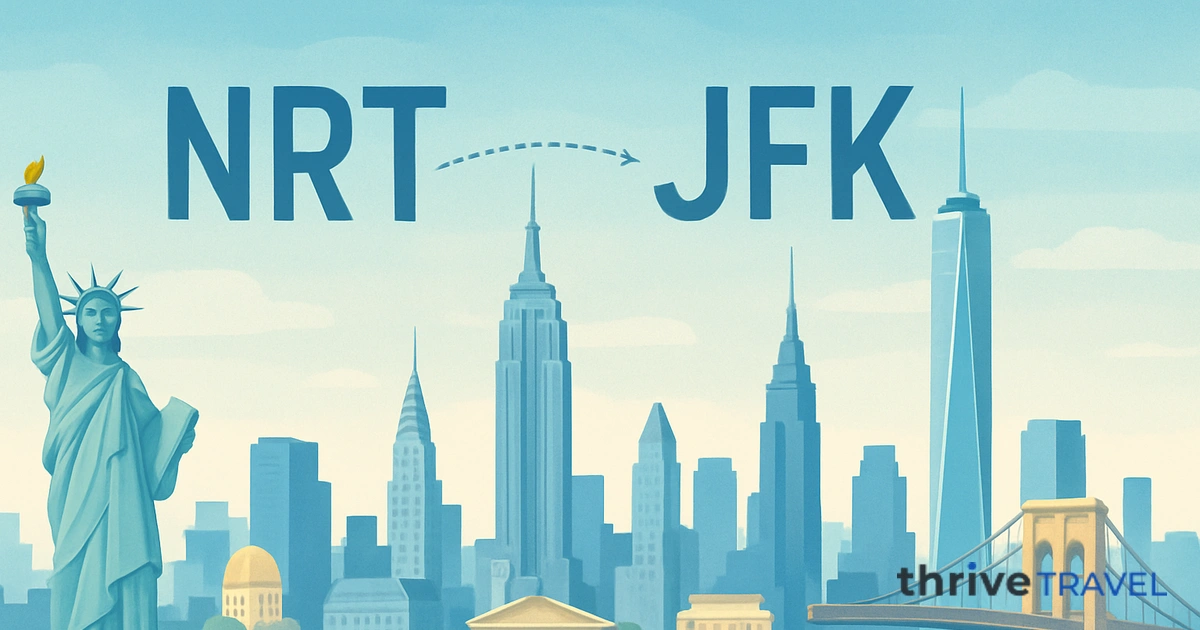
The journey from Tokyo Narita to New York's John F. Kennedy International Airport is one of the most iconic transpacific crossings in modern aviation. Spanning roughly 6,750 miles and lasting between 12 and 14 hours, this route connects two of the world's most electrifying cities across the vast Pacific Ocean. Whether you are heading to Manhattan for business, returning home after exploring Japan, or simply passing through, the experience offers a fascinating bridge between Eastern and Western cultures.
Several major carriers operate flights from NRT to JFK, giving travelers a healthy range of options. Japan Airlines and All Nippon Airways both offer nonstop service with the refined hospitality Japan is famous for, including multi-course meals, attentive cabin crews, and comfortable seating even in economy class. On the American side, United Airlines and sometimes Delta Air Lines provide direct or one-stop connections. Nonstop flights typically depart Tokyo in the evening and arrive in New York the same calendar day, thanks to the favorable time zone shift when flying eastward. The return journey, heading westward, tends to feel longer as you lose hours crossing the International Date Line.
Timing your trip can make a significant difference in both cost and enjoyment. Spring is a particularly appealing season to fly this route, as cherry blossom season wraps up in Tokyo just as New York begins to warm with mild April and May weather. Autumn is another excellent window, when the Northeast United States is draped in fall foliage and Tokyo enjoys crisp, pleasant temperatures. Summer months see the highest demand and prices, while winter can offer savings, though snowstorms occasionally cause delays on the New York end.
For a smoother experience, consider a few practical tips. Booking seats on the left side of the aircraft during eastbound flights can sometimes offer stunning views of the Alaskan coastline. Noise-canceling headphones and a good neck pillow are near-essential companions for the long haul. Staying hydrated is important since cabin air is notoriously dry on extended flights, and adjusting your watch to New York time shortly after takeoff can help your body begin adapting to the nine-hour time difference.
What makes flights from NRT to JFK so compelling goes beyond logistics. You are traveling between two global capitals that each define sophistication in their own way. Tokyo's precision and tranquility give way to New York's restless energy, and the contrast is part of the magic. Few routes in the world offer such a dramatic cultural shift in a single flight, making this crossing one that seasoned travelers never quite tire of.